Strategic Real Estate Sale in Snohomish County: Selling Today While Preserving Future Development Potential
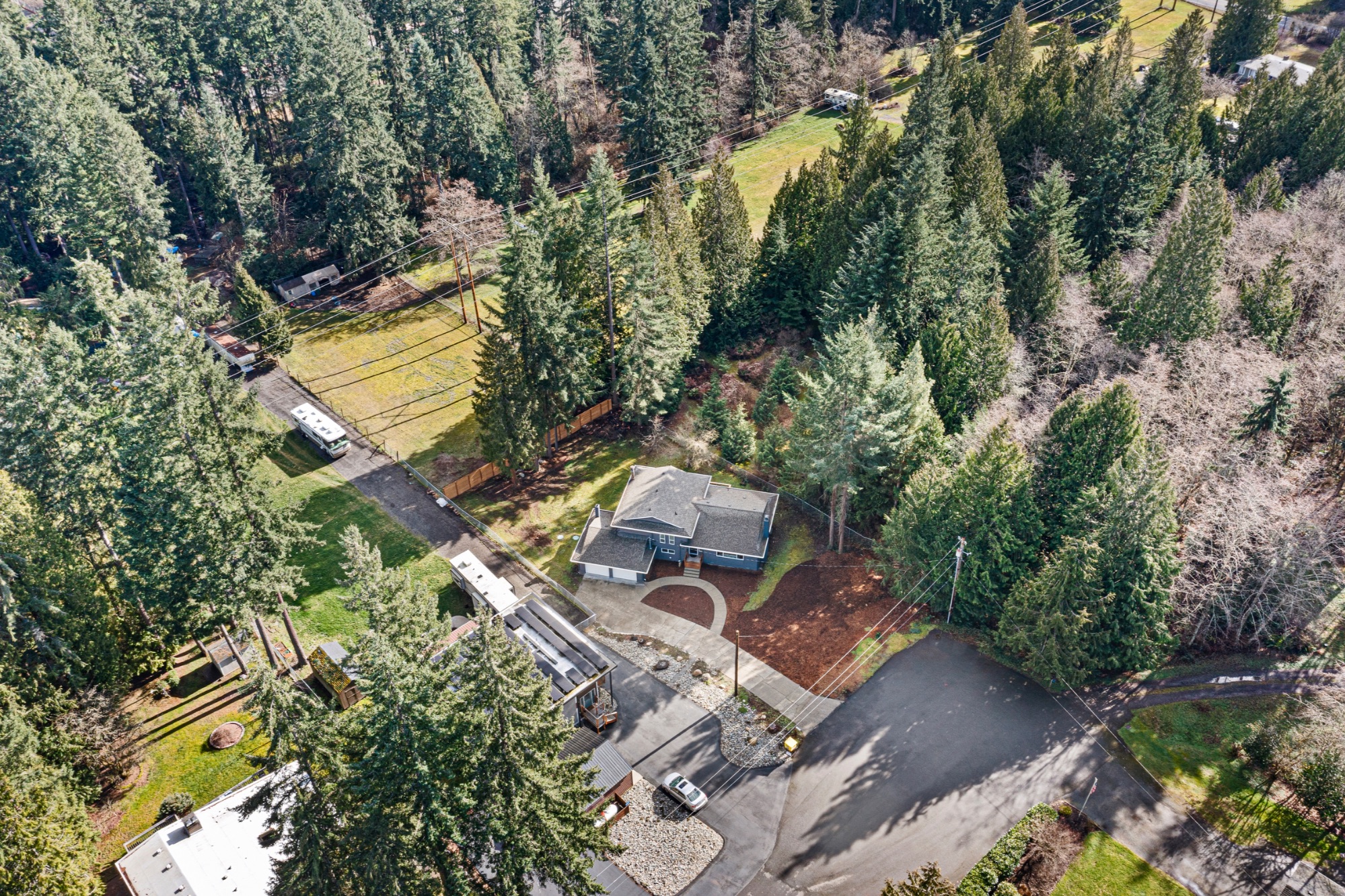
Strategic Real Estate in Snohomish County: Selling Today While Protecting Tomorrow’s Opportunity
Not every real estate closing tells the full story on paper.
Some transactions are simple: list the property, find the buyer, negotiate the terms, and close. Others require a deeper level of strategy because the value is not only in what is being sold today, but in what may still be possible tomorrow.
Recently, I helped one of my investor clients close on one of the more challenging sales we have worked through together. I have helped this client purchase multiple properties over the years, and this one required more than standard listing strategy. It required planning around the property’s current value, the land itself, and the potential long-term upside tied to recent zoning and land-use changes in Snohomish County.
The end result was a strong outcome: my client was able to sell the existing property, retain approximately half of the lot for himself, and preserve a potential future development opportunity.
That kind of result does not happen by accident.
The Goal Was Bigger Than Just Selling
For many property owners, the obvious question is: “What can I sell this for today?”
That is an important question, but it is not always the only question.
For investors, landowners, and homeowners with larger lots, the better questions are often:
- What is the highest and best use of this property?
- Is there value in the land beyond the existing structure?
- Would selling everything today leave future opportunity on the table?
- Can the property be structured in a way that creates liquidity now while preserving upside later?
In this case, the answer was not simply to sell and walk away. The better strategy was to look closely at the land, the zoning environment, and the client’s long-term goals.
Why Snohomish County Land Strategy Matters
Snohomish County continues to evolve, especially as housing demand, affordability concerns, and land-use policy all shape what may be possible on certain properties. Snohomish County’s Unified Development Code regulates building and land development in unincorporated areas of the county, which makes zoning review and parcel-specific due diligence critical before making decisions about a property.
Recent county-level updates also show a broader push toward more flexible housing options. For example, Snohomish County passed Ordinance 25-014 in 2025 to revise accessory dwelling unit regulations, with the stated goal of encouraging more ADU development and additional housing options. The county’s Planning and Development Services rules also include recent guidance related to subdivision and short subdivision standards in Urban Growth Areas.
That does not mean every property automatically has development potential. It does mean owners should be careful before assuming the existing house is the only source of value.
Every property has to be reviewed individually based on zoning, jurisdiction, lot size, access, utilities, setbacks, critical areas, title matters, and permitting feasibility.
The Investor Strategy Behind This Closing
The challenge with this transaction was finding a path that served both the immediate sale and the long-term plan.
A traditional approach may have focused only on selling the entire property. That could have produced a closing, but it may also have meant giving up future opportunity.
Instead, we looked at the bigger picture.
The objective was to structure the sale in a way that allowed the investor to:
- Sell the existing home
- Retain approximately half of the lot
- Preserve potential future development upside
- Avoid giving away land value unnecessarily
- Move the transaction forward despite complexity
This required coordination, patience, and problem-solving. It also required understanding that the best real estate outcome is not always the cleanest or simplest option at first glance.
Why Experience Matters in Complex Real Estate Sales
In straightforward transactions, the market does much of the work. A good property, priced correctly, with strong marketing can attract buyers and close smoothly.
But investor properties, larger lots, and development-sensitive parcels require more.
They require someone who can think through:
- How the land may be valued separately from the home
- How buyers may interpret future use
- How to avoid overpromising development potential
- How to protect the seller’s interests during negotiation
- How to keep the transaction moving when there are more variables involved
This is where real estate becomes more than marketing.
It becomes strategy.
A strong sale is not only about getting a buyer. It is about knowing what should be sold, what should be retained, and how the structure of the deal impacts the client’s long-term position.
A Win Beyond the Closing Price
The most important part of this closing was not just that the property sold.
The larger win was that my client was able to create liquidity while still holding onto future opportunity.
For an investor, that matters.
Selling everything can sometimes be the right answer. But in other cases, keeping a portion of the land may create a better long-term result, especially if zoning, demand, and development feasibility continue to support future options.
This is why property owners should not rush into a sale without first understanding what they own.
A large lot, an older home, an unusual parcel layout, or a property in a changing zoning environment may have more value than the surface-level comparable sales suggest.
What Property Owners Can Learn From This
Before selling a property in Snohomish County, especially one with land, privacy, redevelopment potential, or a larger lot, it is worth asking a few important questions:
- Is the home the main value, or is the land also driving value?
Buyers may be looking at the property differently depending on future use. - Could the property have subdivision, ADU, or redevelopment potential?
This needs to be verified, not assumed. - Would selling the entire property limit future upside?
Sometimes retaining part of the land can be more valuable than maximizing the sale today. - Are there zoning or land-use changes that impact the strategy?
Local rules can materially affect how a property should be positioned. - Is the property being marketed to the right buyer pool?
A standard residential buyer and an investor/developer may see value very differently.
The Bottom Line
This Snohomish County closing was one of the more complex transactions I have helped navigate, but it is also a good example of why strategy matters.
The best result was not simply selling the property.
The best result was helping my client sell strategically, retain valuable land, and preserve a potential future development opportunity.
For homeowners and investors, the lesson is simple: before you sell, make sure you understand the full picture. The value of a property may not stop at the front door. Sometimes the land, zoning, and long-term options are just as important as the home itself.
If you are considering selling a property in Snohomish County, Bothell, or the surrounding areas, especially one with extra land or possible development potential, it is worth having a strategy conversation before making a decision.
Gulch Homes
Washington & Texas Real Estate
Recent Posts



Social Feed



View More
GET MORE INFORMATION

Broker Associate License ID: 0785166 & 119997