
Why the Right Real Estate Strategy Matters When Buying and Selling in Texas
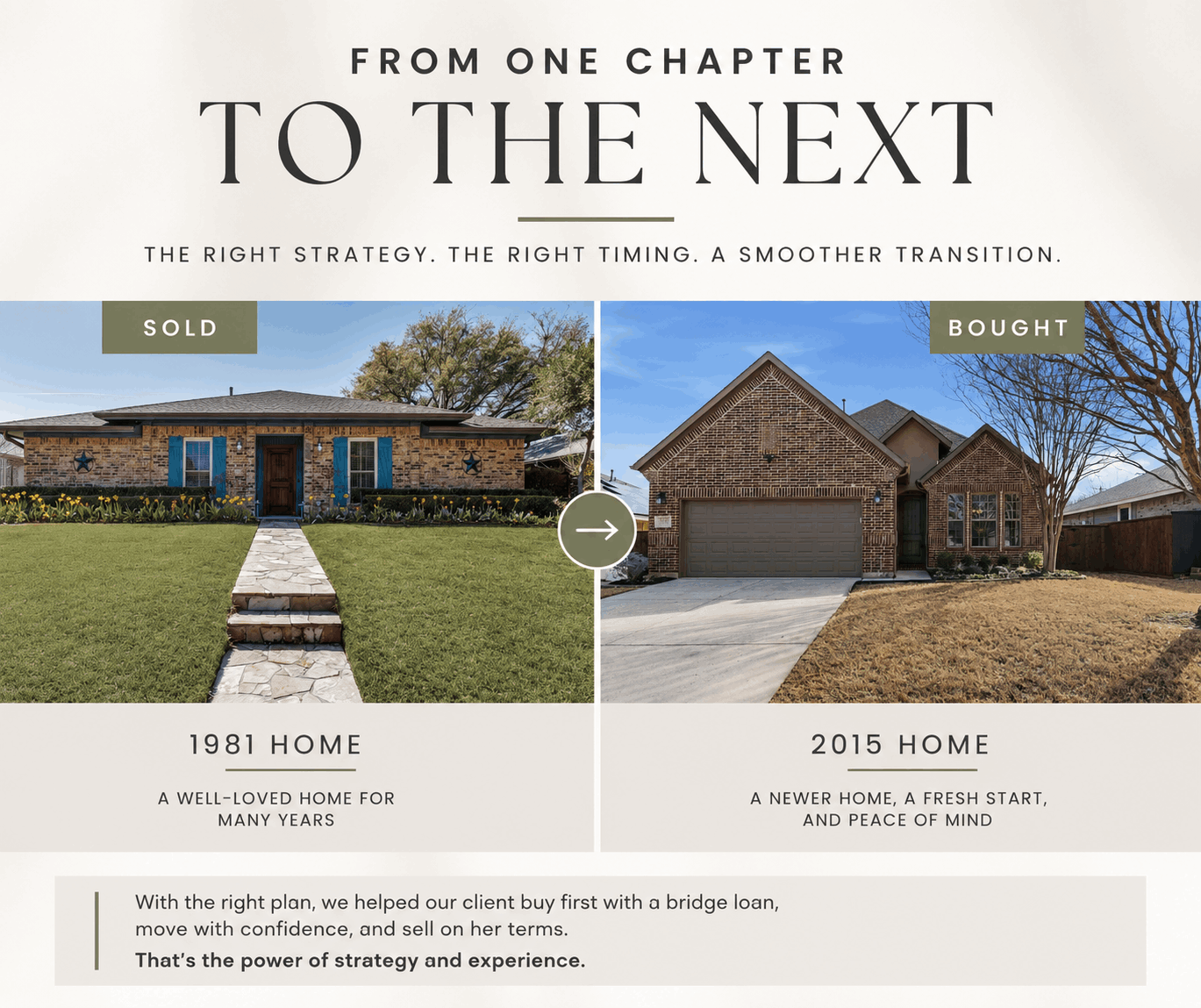
From One Chapter to the Next: A Real Estate Strategy That Worked
Some real estate moves happen quickly.
Others take time, planning, patience, and the right structure.
I first connected with this client back in 2023. At that time, she was not quite ready to make a move. She knew a transition may eventually make sense, but like many homeowners, she wanted to wait until the timing felt right.
This year, it did.
She was living in a home built in 1981. It had served her well for many years, but she was ready for something newer, more comfortable, and better suited for this next season of life. The home she purchased was built in 2015, giving her a newer layout, newer systems, and a property that could realistically serve as her last major home purchase.
The goal was not simply to sell one home and buy another.
The goal was to transition well.
That distinction matters.
The Challenge: How Do You Buy Before You Sell?
One of the biggest obstacles homeowners face is figuring out how to buy their next home before selling their current one.
For many sellers, the traditional process feels stressful:
-
List the current home.
-
Wait for an offer.
-
Hope the timing works.
-
Find a new home quickly.
-
Try to move without feeling rushed.
-
Coordinate closing dates.
-
Hope nothing falls apart.
That process can create pressure.
It can force a seller to accept less favorable terms, rush into a purchase, or settle for a home that is not the right fit.
In this case, we took a different approach.
We used a bridge loan strategy that allowed her to buy the newer home first, move in, get settled, and then sell her previous home afterward.
That gave her breathing room.
Instead of making emotional decisions under pressure, she was able to move into the 2015 home first and then focus on selling the 1981 home with a clear plan.
Why the Bridge Loan Strategy Helped
A bridge loan is not the right fit for every situation, but when used correctly, it can solve a major timing problem.
For this client, it allowed her to:
-
Purchase the next home before selling the current one
-
Avoid moving twice
-
Avoid rushing into the wrong property
-
Prepare the previous home for sale after moving out
-
Reduce the emotional pressure of coordinating two closings at once
That matters because real estate is not just about price.
It is about timing, leverage, convenience, and quality of life.
When a homeowner is trying to buy and sell at the same time, strategy can be the difference between a stressful transaction and a smoother transition.
In this case, buying first gave her more control.
Moving From a 1981 Home to a 2015 Home
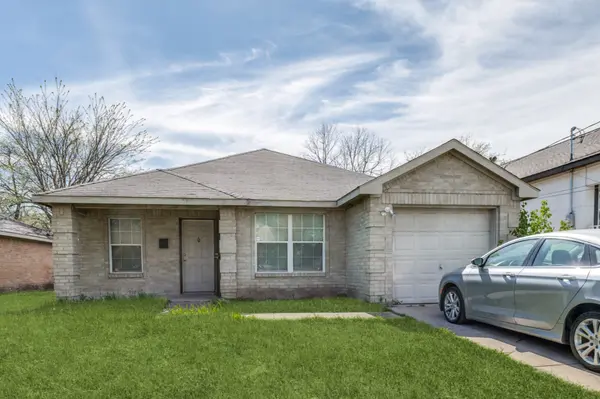
The home she sold was built in 1981. The home she purchased was built in 2015.
That was a meaningful upgrade.
For many homeowners, especially those thinking long term, the move into a newer home is not just about appearance. It can also mean:
-
A more functional layout
-
Newer systems
-
Less immediate maintenance
-
Better energy efficiency
-
A home that fits the next stage of life
-
More peace of mind
This was not about chasing something flashy.
It was about making a practical, thoughtful move into a home that better matched where she is now.
For her, the newer home represented stability, comfort, and a fresh start.
The Sale: Why Representation Matters
After she moved into the newer home, we listed and sold her previous home.
The buyer who purchased that property was a cash buyer and was not represented by their own agent.
That part is important.
Because I represented the seller, my responsibility was to protect my client’s position, negotiate in her best interest, and help her achieve the best possible outcome.
That is exactly what representation is supposed to do.
The buyer made their own decision to move forward without representation. In Texas, an unrepresented buyer can still purchase a home, but they need to understand what that means.
They may not have someone specifically responsible for helping them evaluate:
-
Comparable sales
-
Market value
-
Contract terms
-
Inspection concerns
-
Repair negotiations
-
Title and survey issues
-
Deadlines
-
Closing costs
-
Whether the purchase price makes sense
Cash can be powerful, but cash does not automatically mean protected.
A buyer can pay cash and still overpay.
A buyer can move quickly and still miss key details.
A buyer can avoid hiring an agent and still end up with less guidance than they realize.
The Listing Agent Represents the Seller
This is one of the most misunderstood parts of real estate.
When a buyer contacts the listing agent directly, the buyer may assume they are getting help. But unless there is a separate, clearly established representation agreement or approved intermediary relationship, the listing agent’s duty is to the seller.
That means the listing agent can provide factual information, help facilitate the transaction, and communicate details.
But the listing agent is not there to negotiate against the seller’s interest.
For this transaction, my responsibility was clear: I represented the seller.
That meant my job was to protect her, negotiate for her, and help her move forward on terms that made sense for her.
That is why buyer representation matters.
A buyer should have someone on their side who can look at the same transaction through the buyer’s lens.
Why Buyers Need Market Data
In Texas, pricing can vary dramatically from one neighborhood to another, and even from one street to another.
Online estimates do not tell the whole story.
A buyer needs to know:
-
Which recent sales are actually comparable
-
Which homes were updated versus outdated
-
Which sales included concessions
-
Whether the home had a pool, newer systems, or repairs needed
-
How long similar homes sat on the market
-
Whether the seller had strong or weak leverage
-
Whether the list price was supported by the data
Without that context, it is easy to make a decision based only on emotion, convenience, or surface-level information.
That can be expensive.
A good buyer’s agent is not there simply to unlock doors. A good buyer’s agent helps interpret the market.
That is where the value is.
Why Sellers Need a Strategy Before They Sell
This transaction also shows why sellers should begin planning before they feel rushed.
This client did not wake up one day and randomly decide to sell.
We had been in contact since 2023. When the timing finally made sense, we were able to move with a plan instead of reacting under pressure.
For sellers, that planning can include:
-
Understanding current home value
-
Reviewing loan options
-
Evaluating whether to buy first or sell first
-
Preparing the home for market
-
Reviewing net proceeds
-
Identifying likely buyer objections
-
Creating a pricing and marketing strategy
-
Structuring timelines around the seller’s actual life
That is the difference between selling a property and managing a transition.
The transaction is the paperwork.
The transition is the life event.
A good strategy has to account for both.
The Real Lesson
This client’s move worked because the process was planned.
She waited until she was comfortable.
She used a bridge loan to buy before selling.
She moved from a 1981 home into a newer 2015 home.
She sold her previous home after moving out.
And she had representation guiding the process from start to finish.
On the other side, the buyer chose to move forward without representation.
That is their right.
But it also creates a clear reminder: when you buy a home without your own agent, you may not have someone helping you understand whether the price, terms, and risk are truly in your best interest.
That matters.
Especially in a market where data, timing, and negotiation can significantly affect the outcome.
Final Thoughts
Real estate is not just about finding a house or putting a sign in the yard.
It is about strategy.
For sellers, the right strategy can help create a smoother transition, reduce pressure, and protect your bottom line.
For buyers, the right representation can help you understand the data, avoid costly mistakes, and make a more informed decision.
This client’s story is a reminder that the best moves often begin long before the contract is signed.
If you are thinking about buying or selling in the next 6 to 12 months, the best time to start planning is before you feel rushed.
A strong plan gives you options.
And in real estate, options create confidence.
Recent Posts





Social Feed



View More
GET MORE INFORMATION

Broker Associate License ID: 0785166 & 119997